





Accueil » Procurement Software Features » Multi-Entity Procurement Management
Multi-Entity Management
Empower Your Subsidiaries, Wherever They Are
- Centralize multi-site procurement
- Standardize your internal processes
- Manage all your entities from a single dashboard

The Current Challenges of a Multi-Entity Business

Inconsistent Processes Across Sites
Without automatic consolidation, spend is hard to track, budgets become unclear, and financial commitments can exceed limits without warning.

Fragmented Visibility
When each entity operates with its own methods and spreadsheets, you lose the big picture. Teams lack reliable data to analyze spend, coordinate decisions, and anticipate needs.

Lack of Consolidation: Risk of Overspending
Different procedures, inconsistent approvals, misaligned tools… Each location develops its own habits, slowing down operations and increasing the risk of errors.
So what does Weproc offer?
…………………………………………………………………………………………
Une gouvernance centralisée
Une gouvernance centralisée
Une vision unifiée en temps réel
Une vision unifiée en temps réel
Des processus homogènes et contrôlés
Des processus homogènes et contrôlés
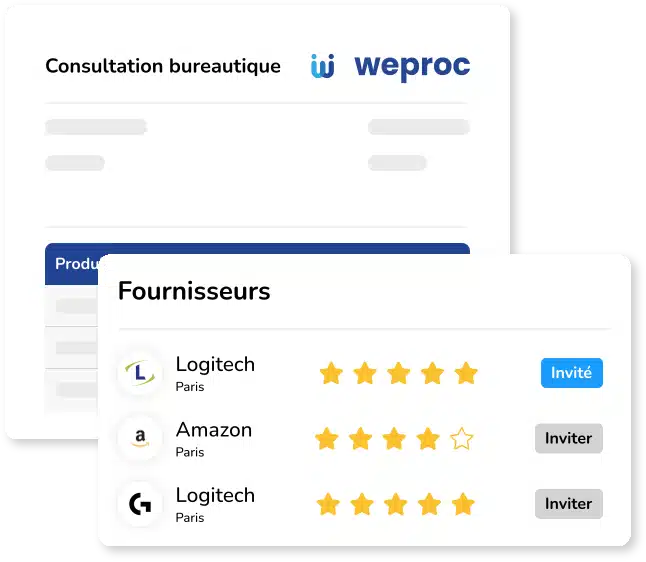
The Core of Multi-Entity Management — Key Features
Entity & Site Management
Create your companies, subsidiaries, agencies, or sites directly in Weproc. Each entity has its own settings, budgets, workflows, and users.
Multi-Level Roles & Permissions
Precisely define who can view, approve, or manage what. Sensitive data stays protected, and each user operates within their designated scope.
Smart Data Partitioning & Sharing
Choose what to share (catalogs, suppliers, contracts) and what should remain specific to one entity.
Multi-Entity Budgets
Assign separate budgets by entity, business unit, or department. Spend is tracked automatically, and overruns are flagged in real time.
Custom Workflows per Entity
Each site can have its own approval workflow based on its internal rules, thresholds, or organizational structure.
Automatic Procurement Consolidation
All data automatically rolls up to headquarters: spend, commitments, suppliers, performance, and history.
Multi-Entity Management in Action: How It Works
1. Set up your entities: subsidiaries, agencies, stores, workshops…
2. Assign your users: define roles, permissions, and scopes.
3. Configure internal rules: set up workflows, budgets, and catalogs.
4. Share or partition data: based on your governance strategy.
5. Monitor everything from a consolidated dashboard.
For example?
A multi-site group with a network of stores or franchises can standardize its processes with Weproc. The tool helps coordinate procurement, unify internal rules, and control commitments. Each entity maintains its operational autonomy while adhering to a common framework. Weproc allows them to reduce management discrepancies between sites, improve overall performance, and simplify budget tracking.


All Your Procurement, in One Place
If your company has multiple locations, decentralized procurement can lead to extra costs and significant wasted time.
Weproc makes it easy to centralize all your procurement in one place: track your spending in real time and optimize your company’s performance.
Streamline Your Procedures
Unify and apply your methods across all your locations. Gain a global overview with a single solution.
Implement a global procurement process from Weproc.

Security, Compliance, and Governance
Weproc ensures compliance with your internal rules: workflows, budgets, and approvals provide automatic compliance. Every action is tracked by entity, offering a true multi-company view. Mandatory approvals secure financial commitments and limit errors. This strengthens your internal controls and the reliability of each entity within a centralized, secure environment.

27% of extra costs are linked to decentralized purchasing
Complementary Features
Weproc is modular, allowing you to cover every step: Purchase Requisitions, RFQs, Orders & Receipts, Invoices & Payments, Budgets, Spend Categories, Inventory… Build your Source-to-Pay journey at your own pace, without the complexity.

Project Management
Group all your requests, RFQs, and orders into a single project folder for easy tracking, for each of your companies.

Budget Management
Track your spend in real time and compare it against committed amounts to maintain a clear view of your expenses and ensure you stay within budget limits.

Management by Department
Easily structure and analyze your needs by department, optimizing your procurement management with Weproc.
FAQ – A Feature to Better Manage Your Companies
Frequently Asked Questions
You have questions? We have answers!
Procurement management in a multi-entity company presents specific challenges, such as standardizing purchasing processes, coordinating between different locations, negotiating suitable supplier contracts, and centralizing product and service catalogs.
It’s essential to implement approval workflows adapted to your entities to facilitate communication and project tracking, while ensuring spend traceability and budget compliance.
To standardize purchasing processes and supplier contracts across your entities, it’s important to define common rules and procedures. This involves implementing standardized approval workflows for purchase approvals, negotiating master agreements with suppliers, and centralizing these supplier contracts.
Analytics tools also help track performance and identify areas for improvement to optimize procurement management across all your locations.
To ensure consistency in product and service catalogs across different entities, it’s recommended to centralize their management with a procurement software like Weproc.
This involves creating a common repository that groups spend categories, descriptions, prices, and delivery terms for each supplier. Analytics tools also allow you to monitor changing needs and identify optimization opportunities, such as rationalizing product lines or adjusting purchasing terms.
Several analytical indicators are relevant for monitoring and optimizing procurement management in a multi-entity context. These include the budget completion rate by department, purchase volume by item category, and on-time delivery performance.
Facilitating communication and coordination between entities for procurement management involves several levers.
Adopting a suitable workflow helps streamline information exchange and ensures effective tracking of projects and cases.
It is also essential to establish coordination bodies, such as steering committees or working groups, to share best practices, discuss challenges, and identify opportunities for improvement.
Want to learn more about this feature?
Discover our weekly articles, webinars, and free templates to download to improve your procurement management!

Procurement Management in Business: Everything You Need to Know
The ability to adapt, innovate, and above all, control operations has become a decisive factor for survival and success. At the heart of this adaptation lies an essential strategy: Spend Management.

The Procurement Function: A Strategic Lever for Operational and Financial Excellence
For a company to function properly, it must be composed of several departments necessary for its proper development.
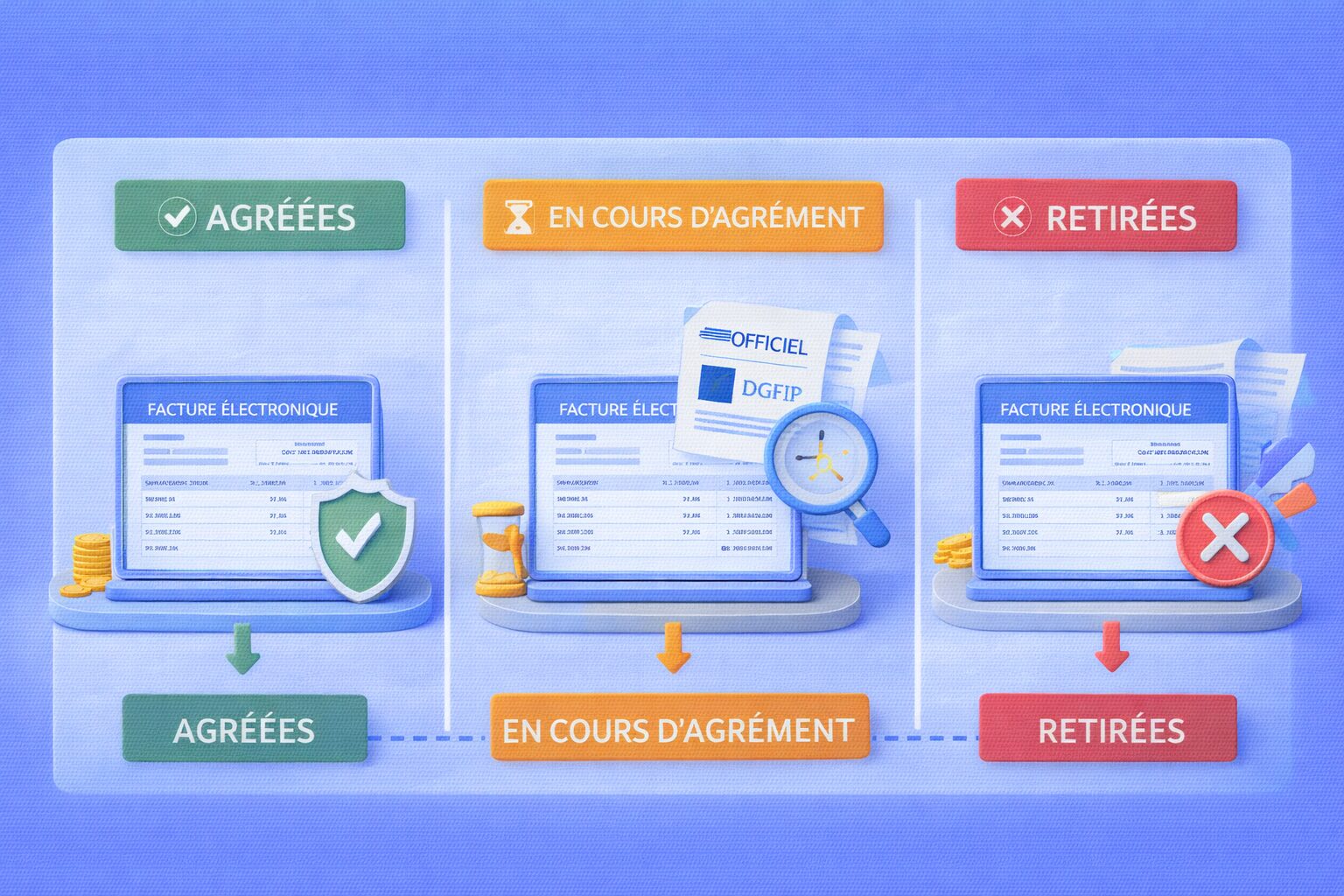
Certified E-Invoicing Platforms for 2026
At the heart of the 2026 reform are the Certified Platforms (Plateformes Agréées), pivotal players that will ensure the fluidity, compliance, and security of invoice exchanges and tax data transmissions.